

My IBS Diet: What Finally Worked After 30 Years
How I Dramatically Improved My IBS After 30 Years — The Diet, Microbiome & Lifestyle Changes
How changing my diet, lifestyle, and gut microbiome dramatically improved my digestive health
Fifteen years ago, a doctor told me something I’ll never forget:
“You have Irritable Bowel Syndrome… and there’s not much we can do about it.”
After suffering from digestive problems for so many years, that was the best answer I was given.
But what happened next surprised me.
The same doctor who diagnosed me also handed me a list of foods I was supposed to avoid.
The strange thing was that several of those foods had never caused me any problems at all.
This post shares the changes that helped me take control of my gut health. If it helps even one person who feels hopeless about their digestion, it’s worth sharing.
Why I’m Sharing This
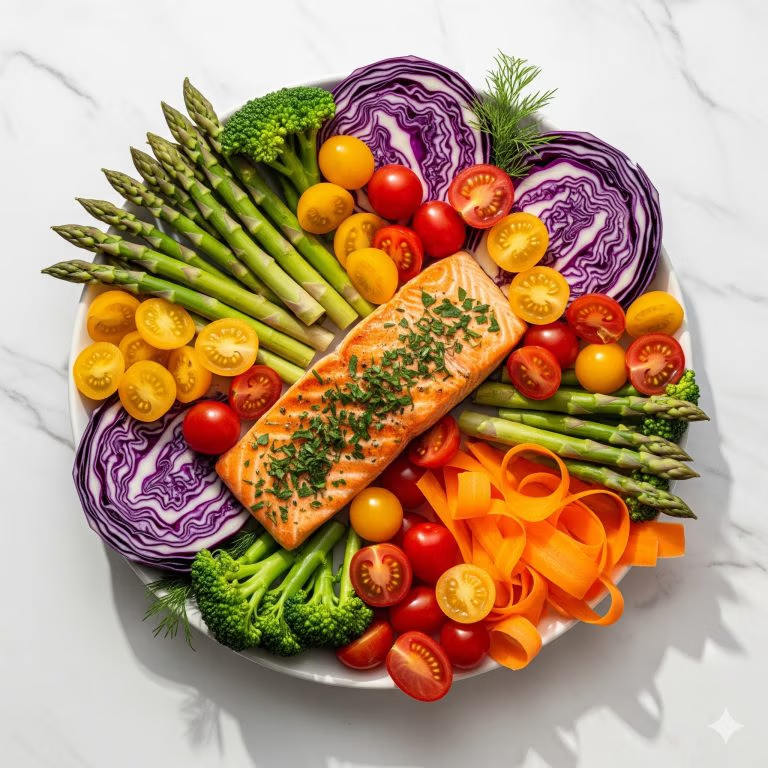
Digestive issues are far more common than most people realize. According to global research, about 40% of people worldwide experience functional gut disorders. Yet many are told:
“Learn to live with it.”
This post is based on my personal experience and supported by current IBS and gut‑health research on dietary personalization, microbiome diversity, and lifestyle changes.
Everyone’s IBS is different — but these changes significantly improved my life.
Key Take Aways
- 30+ years of digestive problems
- Doctor told me little could be done
- Lifestyle changes transformed my life
- Plant diversity and exercise played major roles
- My IBS attacks dropped from weekly to once every 2 years or so
My IBS Journey: What Finally Helped After 30 Years
IBS Symptoms - What Triggered Mine
First I would feel gurgling in my lower abdomen followed by intense and extremely painful cramping.
Then sudden, intense diarrhea.
Often I would have a garbage can in front of me because the pain from the cramping would cause me to vomit.
These episodes usually started in the early evening and often lasted well into the next day.
Over time, patterns emerged.
- Pizza was a clear trigger—especially after 6pm.
- Sugar, fatty foods, and even a small bowl of Alpen cereal late at night could set me off.
- Oddly, morning trigger foods rarely caused issues.
- I also avoided ultra‑processed foods as much as possible.
Looking back, many of these reactions made more sense when I finally understood how my IBS diet influenced my evening flare‑ups.
At the worst point, I began planning my evenings around how close I would be to a washroom.

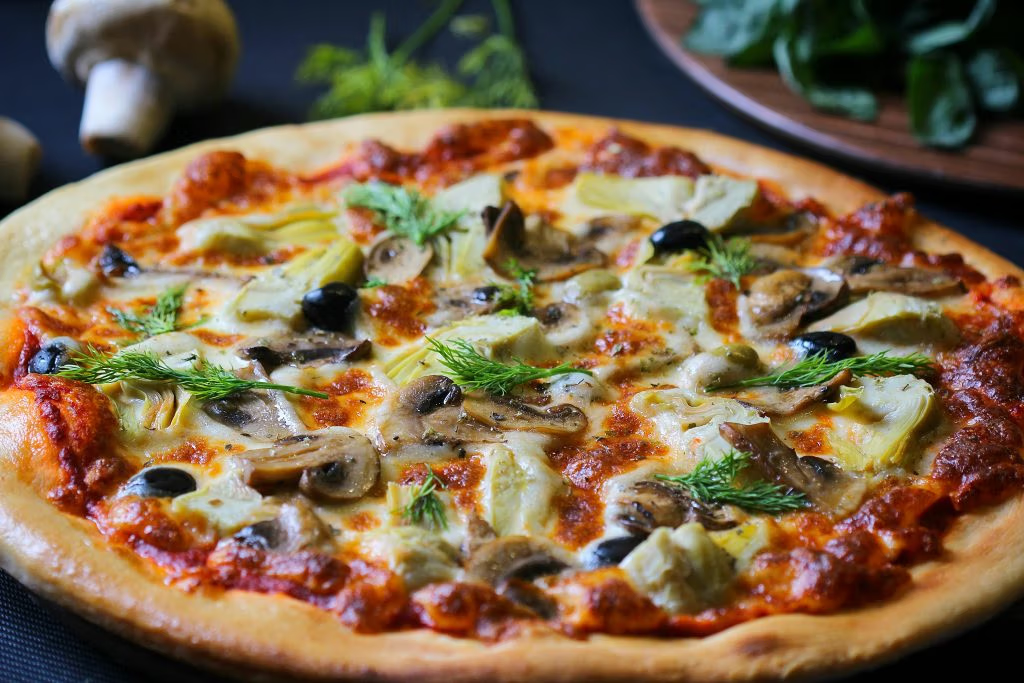
The Food List That Didn’t Make Sense
When I was diagnosed, the doctor also handed me a list of foods to avoid.
Several jumped out at me immediately:
- Garlic
- Onions
- Hot chili peppers
The reason it confused me was simple: I had eaten those foods many times without symptoms.
In fairness, those foods are sometimes restricted in diets like Low FODMAP, which limits certain fermentable carbohydrates. But through trial and error I learned that IBS triggers are highly individual.
Some people react strongly to foods others tolerate perfectly well.
For me, the 2 biggest triggers were fat and sugar, especially in the evening. I stopped consuming both after 6 p.m.
It took time to realize that my IBS diet didn’t match the standard lists — my triggers were different.
That realization pushed me to start paying much closer attention to how my body responded to different foods.
The Breaking Point

A bad night meant intense cramping, diarrhea, and sometimes vomiting.
Pepto‑Bismol became a constant companion.
Eventually I realized: No pill was going to fix this.
If I wanted different results, I had to change how I lived.
Can Diet Improve IBS?
Research on the human microbiome shows that gut bacteria influence digestion, metabolism, inflammation, and immunity.
One key finding:
People who eat 30+ different plant foods per week have more diverse microbiomes — and microbial diversity is linked to better health.
As researcher Dr. Tim Spector says:
- "The gut microbiome may be one of the most important determinants of human health."
That shifted how I approached food.
Diet and Lifestyle Changes That Improved My IBS
Diet Changes
These were the biggest shifts in my IBS diet and daily routine that made the difference.
- Reduced ultra‑processed foods
- Quit sugary drinks
- Stopped drinking alcohol
- Eliminated most dairy (kept fermented options)
- Avoided processed sugar
- Cut out red meat
- Choose whole grains over refined white flour

The 5 Changes That Helped My Gut the Most
- Eating 30+ different plants per week
- Eliminating sugary drinks
- Significantly reducing ultra‑processed foods
- Exercising daily
- Eating earlier in the evening
Gut‑Focused Eating
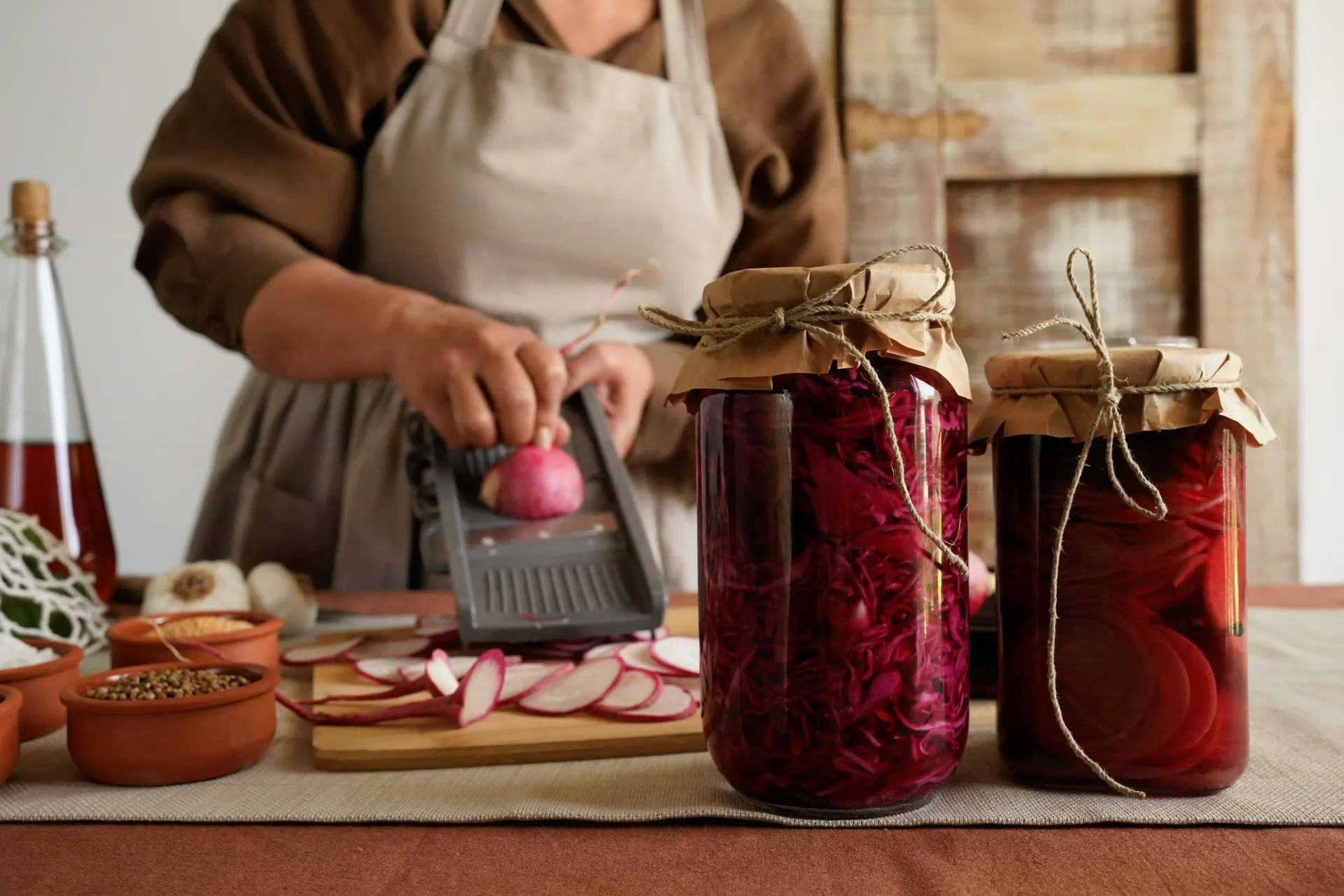
- Mostly plant-based diet
- Added homemade fermented foods: sauerkraut, kefir, yogurt, pickles, Sriracha sauce
- Aiming for 30+ different plants weekly
Lifestyle Habits
- Eat dinner before 6 p.m.
- Fasting 12+ hours overnight
- Daily exercise

How Exercise Reduces IBS Symptoms
Daily movement played a surprisingly big role.
Resistance training boosted my metabolism and resilience, while power walking reduced stress—a major IBS trigger for me. Research also shows exercise helps gut motility and microbiome diversity.
The Moment I Knew Everything Had Changed
As my gut health improved, everyday life slowly became easier, but I didn’t realize how far I’d come until one unexpected evening.
Not long ago I was at a Calgary Ski Club bowling social.
They served pizza.
It was after 7 p.m. and I ate way more than I should.
I had no issues.
For me, that moment said more than any test or tracker ever could.

My Life Before and After These Changes
Before
- IBS flare‑ups almost every week
- Evenings planned around bathroom access
- Constant fear of eating the wrong food
- Heavy reliance on medications like Pepto-Bismol
- Late‑night emergencies that wiped out the next day
After
- IBS attacks now only about once every two years
- I can enjoy evenings again — without anxiety or bathroom scouting
- Better cholesterol, lower body fat, and excellent blood pressure
- More energy, better sleep, and dramatically less stress
- A sense of freedom I hadn’t felt in decades
- And yes… I can eat pizza again — even after 7 p.m.
Frequently Asked Questions About IBS
Can diet improve IBS symptoms?
What foods commonly trigger IBS?
Triggers vary from person to person, but commonly reported ones include:
- Ultra-processed foods
- Sugary drinks
- Fatty foods
- Alcohol
- Large late-night meals
Some IBS diets also restrict foods like garlic and onions as part of the Low FODMAP Diet, though individual tolerance can vary widely.
Can lifestyle changes improve gut health?
Yes. Research increasingly shows that lifestyle factors influence digestive health. Regular exercise, adequate sleep, stress management, and a fibre-rich diet all support a healthy gut microbiome.
Studies like the American Gut Project suggest people who eat a wide variety of plant foods tend to have more diverse gut bacteria.
Is IBS curable?
Currently there is no known cure for Irritable Bowel Syndrome, but many people can dramatically reduce symptoms through diet, lifestyle adjustments, and medical guidance.
Final Thoughts
Am I cured from IBS?
No.
But I’ve dramatically reduced its impact on my life.
Recently, I even ate pizzeria pizza after 7 p.m. — with zero issues.
For me, daily exercise, improving my diet, and microbiome‑friendly habits made the biggest difference.
If you’re struggling with digestive issues, try starting with one or two small changes. They compound quickly.
Ask yourself:
What small change could you start today that your future self will thank you for?
The Journey Continues: Updates
March 16, 2026
Recently I was on a Calgary Ski Club weekend bus trip to Kimberly Alpine Ski Resort in Kimberly, BC.
We had a fantastic weekend of skiing. The weather was amazing. The mountain received lots of powder on Thursday. We arrived Friday evening and hit the slopes first thing Saturday morning.
The snow was wonderful. This resort is another gem in our Canadian Rockies, and I’ll be going back.
On the bus ride back, we stopped and loaded up the bus with pizza. We ate pizza, chips, and granola bars on the way back.
I ate pizza and chips on the bus, and I had another slice back at the house.
And NO ISSUES!
I acknowledge that I was probably playing with fire.
But my microbiome is in such great shape that if there were any complaints, I was not made aware of them, and I now have confidence that I can throw that dice.
This was the first time I’ve consumed potato chips in a while. I make every effort to avoid ultra-processed food products—especially chips. They are terrible for you.

A perfect morning looking out from the front of our condo that is at the top of the Owl T-bar lift. You can see the Kimberley base area below and continuing east across the Rocky Mountain Trench to the spectacular, snow-capped Canadian Rockies on the horizon.
I Can Help
If you’re dealing with digestive issues or simply want to improve your long-term health, making the right lifestyle changes can feel overwhelming.
Through Coldrick Health & Fitness, I help people build sustainable nutrition and fitness habits that support better energy, metabolic health, and gut health.
If you’d like help creating a plan that works for your lifestyle, feel free to reach out. I’d be glad to help you get started.
Disclaimer
This article reflects my personal experience and is not medical advice.
Recommended Resources
Podcast
YouTube
- Talking With Docs
- Huberman Lab Podcast
Book
- Fiber Fueled by Dr. Will Bulsiewicz
About the Author
John Coldrick, B.Sc., founded Coldrick Health & Fitness out of a deep commitment to seeing his clients succeed.
He is a certified Personal Training Specialist through canfitpro and also holds a Healthy Eating & Weight Loss coaching certificate from the same organization.
Based in Sundance, Calgary, John’s coaching is defined by the genuine care he has for those he serves.
He combines his scientific background from the University of New Brunswick with a hands-on approach to help the 50+ community build sustainable habits and maximize their longevity through data-driven tools like the Apple Watch.
Know Someone Struggling With Digestive Issues?
Digestive problems can feel isolating and frustrating.
If you know someone struggling with stomach issues, consider sharing this article with them. Sometimes hearing a real story can help people realize they’re not alone—and that improvement is possible.
John's Favorite Products
Transparency is key to my coaching. I personally use and discover value in these products before recommending them. If you purchase through the links below, I may earn a small commission that helps support this site at no extra cost to you.
The Kitchen Workhorse
I love this knife!
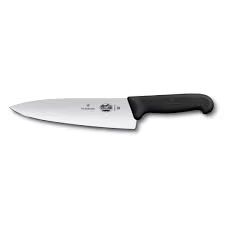
The Victorinox Fibrox 8″ Chef’s Knife is arguably the most cost-effective tool for anyone starting a healthy eating journey. While it doesn’t have the flashy look of expensive forged steel, its performance is legendary among professional chefs for its ergonomic grip and razor-sharp edge.
I’ve owned this knife for at least 5 years, and it’s my favorite. It’s light, sharp, and well balanced, and the non-slip grip makes the knife feel safe in my hands.
This is my go-to knife when preparing vegetables for the stir-frying.
Best For: All-purpose chopping, slicing, and dicing of dense vegetables.
Key Feature: The non-slip Fibrox handle ensures safety even when your hands are wet—a common occurrence when prepping fresh produce.
Maintenance: It is incredibly easy to hone and sharpen, making it a “forever” tool if treated well.https://amzn.to/4bbqtFG
John’s Discovery Tip
I’ve discovered that having one truly sharp (actually, I have 2 of these) reliable knife makes the difference between enjoying meal prep and dreading it. I prioritize this specific Victorinox because it’s a ‘workhorse’—it’s affordable enough to be your first ‘real’ knife, but high-quality enough that you’ll still be using it ten years from now.